 German
  English
  Spanish
  Japanese
  French
  Dutch
Dutch  Portuguese
  Russian
Es befinden sich keine Produkte im Warenkorb.

Eco-Friendly Wholesale Candles: The Ultimate Buyer’s Guide for Sustainable Brands
Putting a “natural” or “organic” label on a candle is easy. But if you are stocking shelves for a growing brand, a boutique chain, or an import business, you already know the real challenge: finding eco-friendly wholesale candles that actually smell amazing, burn beautifully, and arrive on time without a massive headache. Today’s consumers can spot lazy packaging and weak scent throw from a mile away. This guide cuts through the marketing fluff to show you how to source clean, high-quality candles that your customers will love—and keep coming back for.
Why Clean Candles are the New Standard for Retail Shelves
A few years ago, premium eco-friendly wholesale candles were a niche luxury. Today, they are exactly what retail shoppers expect. Traditional paraffin-based candles—made from petroleum—often leave dark soot on walls and produce a chemical smell that ruins the luxury experience.
When you build a collection around sustainable materials, you aren’t just doing something good for the planet; you are protecting your brand’s reputation. Investing in high-grade eco-friendly wholesale candles means fewer customer complaints, better reviews, and a premium look that naturally justifies a higher retail price tag. To ensure absolute consumer safety and pass international customs smoothly, all raw manufacturing materials should ideally comply with global frameworks like environmental safety compliance regulations.
Eco-Friendly Wholesale Candles Wax Selection: A Simple Breakdown for Volume Buyers

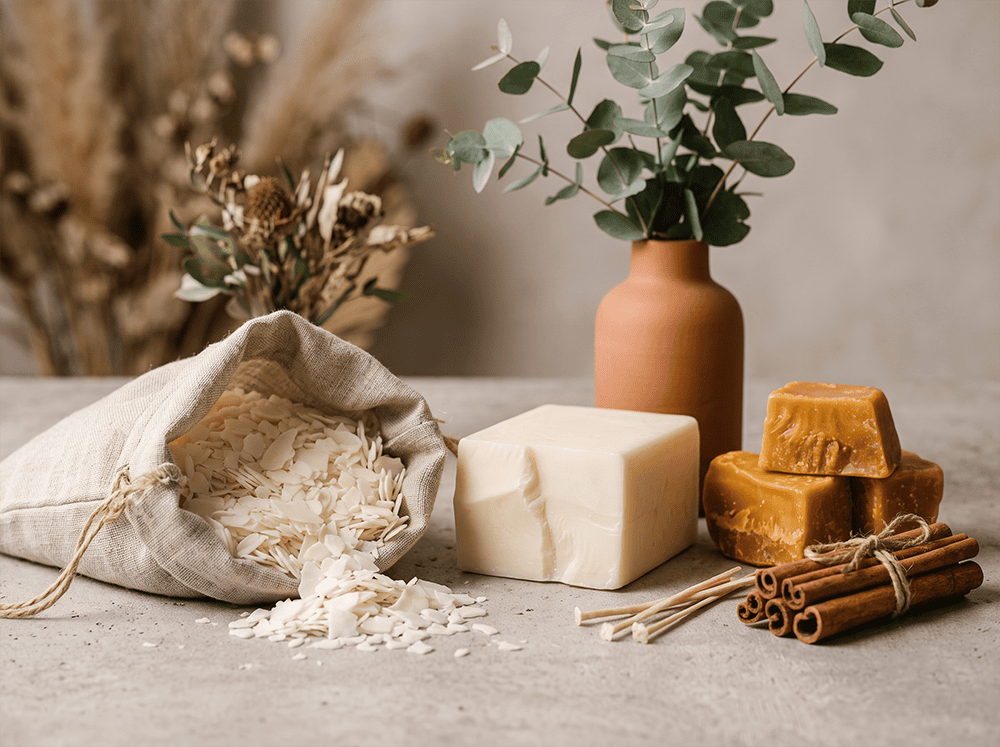
Choosing the right wax is all about balancing cost, look, and performance. When sourcing you don’t need a chemistry degree to select the right material, but you do need to know how different plant-based options behave in production and on the retail shelf:
Soy Wax: Highly recognizable and incredibly popular with eco-conscious shoppers. It offers a clean, slow burn and forms a fantastic base for lifestyle brands. To maintain a truly green supply chain, ensure your source utilizes agricultural platforms certified by international sustainability bodies like the Food and Agriculture Organization (FAO).
Coconut Wax: The premium choice for luxury collections. It absorbs fragrance oils perfectly, yields an incredibly smooth top surface, and provides a rich, elegant scent throw.
Beeswax: Excellent for artisan storytelling, but it carries a higher price tag and has a natural honey scent that can blend with or alter your added fragrances.
For a closer look at how these formulas interact with fragrance oils to fill a room with scent, check out our guide on how wax and fragrance oil affect candle scent throw quality.
Decoupling the Details of Eco-Friendly Wholesale Candles: Wicks and Containers
A candle can have the best plant-based wax in the world, but it will still fail if the factory uses cheap, poorly designed wicks. Standard low-cost wicks sometimes contain hidden zinc or lead cores to keep the cotton upright during manufacturing. When burning eco-friendly wholesale candles, these heavy metals create harsh, toxic smoke. Always ask your supplier for 100% lead-free, unbleached cotton or natural wood wicks.
The container matters just as much. Sustainable packaging isn’t just about avoiding plastics; it’s about giving customers something they want to keep. Using infinitely recyclable glass jars, ceramic pots, or minimalist matte black metal tins turns simple eco-friendly wholesale candles into reusable pieces of modern home decor.
How to Spot True Quality and Avoid “Greenwashing”
The biggest headache in the wholesale market isn’t picking a material—it’s dealing with suppliers who use words like “green” or “eco” but can’t back them up. To keep your sourcing smooth and your stock reliable, keep these three practical steps in mind when evaluating eco-friendly wholesale candles from factories:
Ask for the MSDS Sheet: A professional factory will quickly provide a Material Safety Data Sheet. This document tells you exactly what is inside the wax and fragrance blend, proving your production run is clean and safe.
Verify the Scent Source: Ensure the fragrance oils match global standards, like IFRA guidelines. This guarantees the fragrance is stable and won’t smell like chemicals when lit.
Test Samples First: Never place a bulk order for eco-friendly wholesale candles without burning a sample under real-world retail conditions. Watch for a flat, even melt pool and zero heavy smoke.
Build Your Unique Candle Collection with a Partner Who Gets It
Transforming an eco-friendly concept into a highly profitable retail line takes more than just mixing wax and scent. It requires careful manufacturing, beautiful presentation, and safe shipping. Whether you are launching a fresh lifestyle line or scaling an existing brand, you need product consistency, flexibility, and a team that communicates clearly.
If you want to discover how these clean formulations align perfectly with high-end interior styling and modern aesthetics, read our comprehensive industry report on Luxury Home Fragrance Trends.
Check out our full custom capabilities on our private label candles wholesale collection page.
Looking to start small? Learn about our tailored private label candles low moq setups for growing brands.
Protect your fragile ocean cargo by checking out our drop-tested custom candle packaging setups designs.
Ready to level up your inventory with certified eco-friendly wholesale candles? Contact our team today to grab certified product samples and launch your sustainable home fragrance project.
